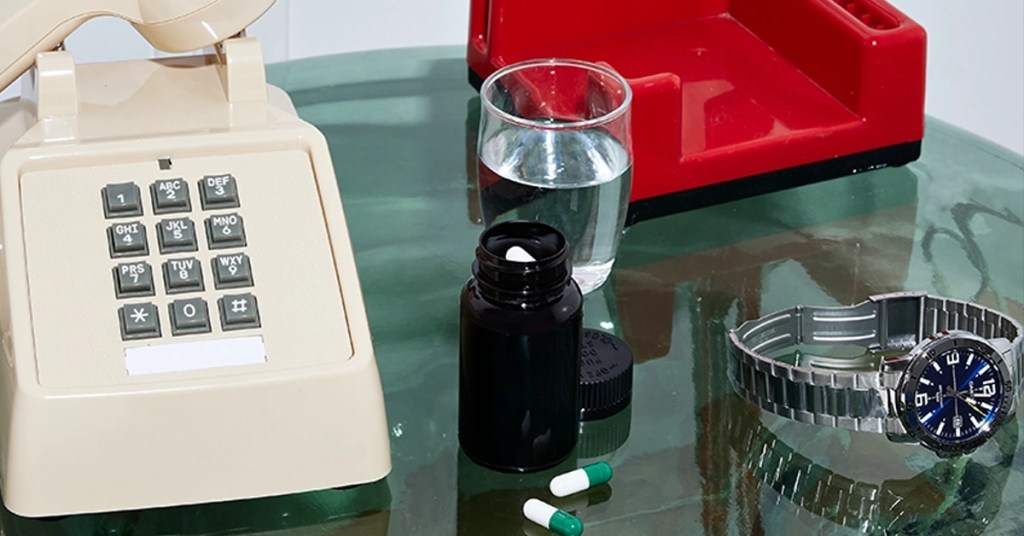


As 2025 closes, “male performance” is being reframed from a single-problem hunt for harder erections into a systems problem: vascular health, hormones, sleep, stress regulation, and relationship context all push the same few biological levers. The practical outcome for 2026 is a pipeline of treatments and tools that are faster, more personalized, and—crucially—more measurable at home.
One clear trend heading into 2026 is mainstream, non-pill erectile support. The FDA’s de novo classification for MED3000 (marketed as Eroxon) established a regulated category for a non-medicated topical ED gel that works via localized temperature-mediated nerve stimulation rather than systemic drug exposure. That matters because it opens the door for “pharmacy shelf” access and new competitors—while also forcing clearer claims, labeling, and post-market surveillance than the supplement aisle ever had. Expect 2026 to bring broader retail availability, better patient selection guidance (who benefits most), and more realistic expectations on onset, durability, and when to step up to prescription therapy.
At the same time, digital therapeutics are moving from wellness fluff to something closer to a prescribable program. A 2024 randomized study of an app-based therapy reported clinically meaningful improvements in erectile function and quality-of-life measures—suggesting that structured education, habit change, and anxiety/stress modulation can measurably shift outcomes, not just “feel supportive.” In 2026, expect tighter integration: app + clinician dashboard + objective tracking (sleep, activity, medication adherence), and more combination protocols alongside PDE5 inhibitors or pelvic-floor training.
Another area likely to accelerate in 2026 is energy- and libido-focused hormone care, with a bigger safety conversation. The TRAVERSE trial (published in The New England Journal of Medicine) materially shifted the evidentiary baseline by examining cardiovascular outcomes in men receiving testosterone replacement under defined indications. The headline isn’t “testosterone is always safe,” but “risk can be quantified and managed when therapy is appropriately prescribed and monitored.” In 2026, that should translate into more standardized monitoring, clearer stop rules, and less tolerance for vague “T clinics” that treat symptoms without diagnostic rigor.
Finally, watch the cardiometabolic angle become first-line ED care rather than a footnote. GLP-1 receptor agonists are increasingly discussed in the male sexual-health literature because vascular function and metabolic health are upstream of performance; reviews and emerging clinical data suggest potential benefits on erectile function and related hormonal markers in relevant populations. If 2026 guidelines start to treat ED as an early vascular warning sign more explicitly, “performance medicine” will look a lot more like preventive cardiology than a discreet prescription refill.